Frequently Asked Questions
What are the benefits of professional EV charger installation?
The benefits of professional EV charger installation include ensuring compliance with UK safety standards, providing expert guidance on suitable charging solutions, and guaranteeing a reliable, efficient setup that enhances convenience for both residential and commercial users.
How can I request a quote for EV charger installation?
Requesting a quote for EV charger installation is straightforward. Simply contact DB Electrical Services through our website or phone, and provide details about your installation needs. We’ll promptly respond with a tailored quote.
What types of electric vehicles can be charged with your installations?
The types of electric vehicles that can be charged with our installations include all major brands and models, such as Tesla, Nissan, BMW, and Audi, ensuring compatibility with various charging standards.
What are the advantages of EV charger installation?
The advantages of EV charger installation include convenience, cost savings on fuel, increased property value, and compliance with UK standards, ensuring safe and efficient charging for both residential and commercial electric vehicles.
How long does EV charger installation take?
The duration of EV charger installation typically ranges from 2 to 4 hours, depending on the complexity of the setup and the specific requirements of your property.
What is the cost of EV charger installation?
The cost of EV charger installation varies based on factors such as the type of charger, installation location, and any additional electrical work required. On average, you can expect to pay between £800 and £1,500 for a professional installation.
Are there different types of EV chargers available?
There are different types of EV chargers available, including Level 1, Level 2, and DC fast chargers. Each type varies in charging speed and suitability for residential or commercial use, catering to diverse electric vehicle needs.
How do I choose the right EV charger?
Choosing the right EV charger involves considering your vehicle's charging needs, the installation location, and the charging speed required. Assess your daily driving habits and select a charger that meets your requirements efficiently.
Can I install an EV charger myself?
Installing an EV charger yourself is possible, but it's not recommended. Professional installation ensures compliance with safety regulations and UK standards, minimizing risks and ensuring optimal performance.
What permits are needed for EV charger installation?
The permits needed for EV charger installation typically include local building permits and compliance with electrical safety regulations. It's advisable to consult with your local authority or a professional installer to ensure all necessary permits are obtained.
How do I maintain my EV charger?
Maintaining your EV charger involves regularly checking for any signs of wear, ensuring the connections are secure, and keeping the unit clean from dust and debris. Additionally, schedule professional inspections to ensure optimal performance and safety.
What safety standards apply to EV charger installations?
The safety standards that apply to EV charger installations include compliance with the IET Wiring Regulations (BS 7671) and adherence to relevant UK safety guidelines. These ensure that installations are safe, reliable, and suitable for both residential and commercial use.
Can I install an EV charger indoors?
Installing an EV charger indoors is possible. However, it must comply with safety regulations and building codes, ensuring proper ventilation and electrical capacity to handle the charger’s power requirements.
What is the warranty on EV chargers?
The warranty on EV chargers typically covers defects in materials and workmanship for a period ranging from 2 to 5 years, depending on the manufacturer. Always check specific terms for your chosen charger.
How does EV charger installation affect home value?
The impact of EV charger installation on home value is positive. Homes equipped with EV chargers are increasingly attractive to buyers, as they cater to the growing demand for electric vehicles, potentially enhancing resale value and marketability.
Are there government incentives for EV charger installation?
Government incentives for EV charger installation are available to encourage the adoption of electric vehicles. These can include grants, tax rebates, and funding programs aimed at both residential and commercial installations, helping to reduce overall costs.
What is the installation process for EV chargers?
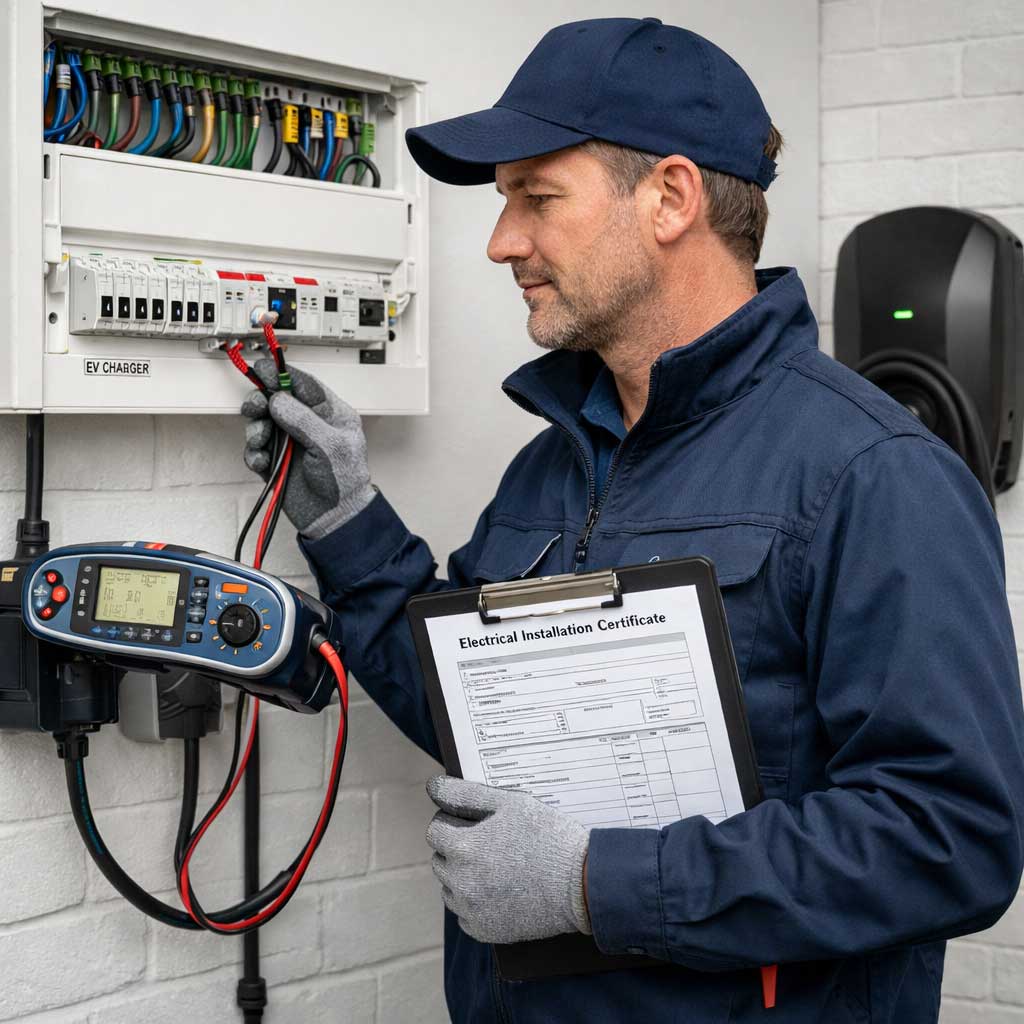
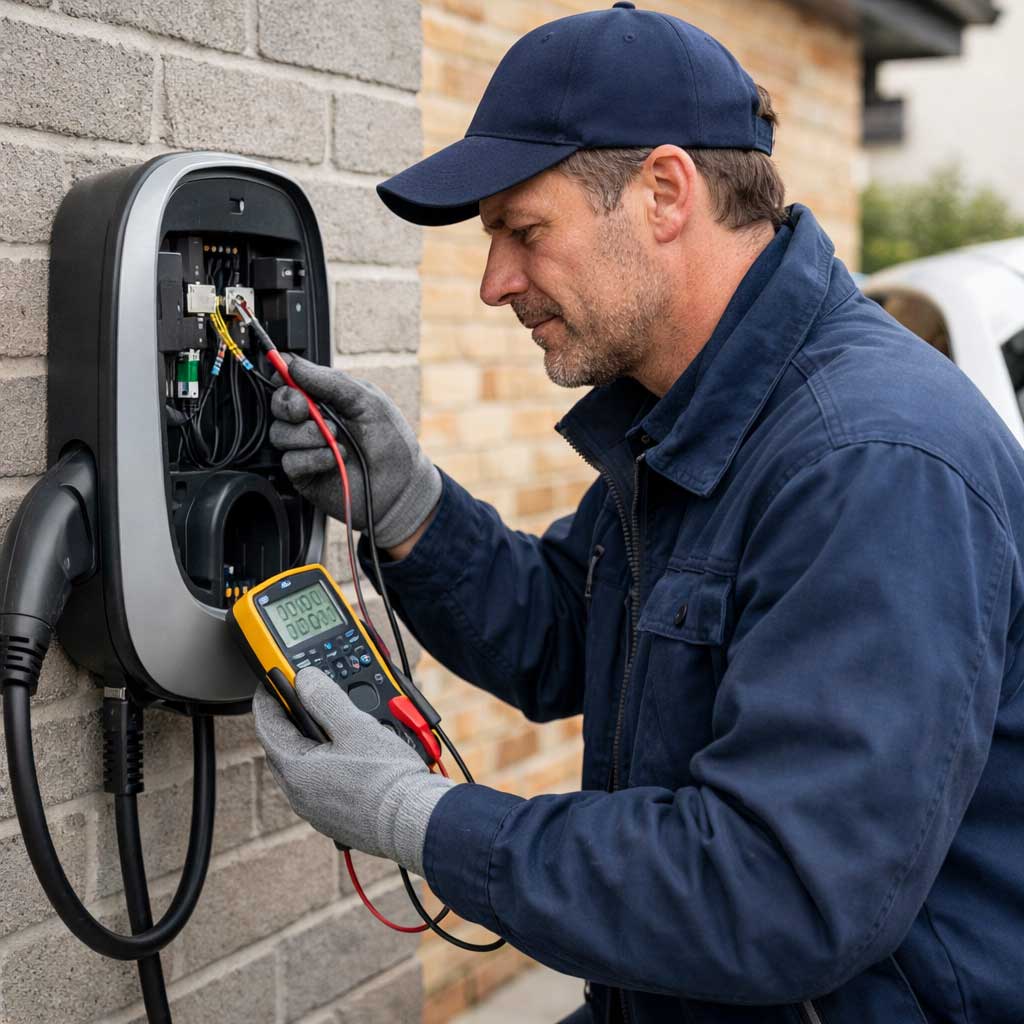
The installation process for EV chargers involves an initial site assessment, followed by the selection of the appropriate charger type, installation of the unit, and testing to ensure compliance with safety standards.
How do I find a qualified installer?
Finding a qualified installer involves researching licensed electricians with experience in EV charger installations. Check reviews, ask for recommendations, and ensure they comply with UK regulations to guarantee a safe and professional service.
Can I install multiple EV chargers at my property?
Installing multiple EV chargers at your property is possible. However, it depends on your electrical capacity and local regulations. Our team at DB Electrical Services can assess your property and provide tailored solutions for your charging needs.
What electrical upgrades are needed for installation?
The electrical upgrades needed for installation include ensuring your home's electrical system can support the additional load, which may involve upgrading the circuit breaker, wiring, and possibly installing a dedicated circuit for the EV charger.
How do I know if my home is suitable?
The suitability of your home for an EV charger installation depends on factors such as available electrical capacity, proximity to a power source, and adequate space for the charger. A professional assessment can help determine your home's compatibility.
What are common issues during EV charger installation?
Common issues during EV charger installation include inadequate electrical supply, improper placement, and compliance with local regulations. Additionally, ensuring compatibility with the vehicle and addressing potential safety hazards are crucial for a successful installation.
How can I ensure my EV charger is safe?
Ensuring your EV charger is safe involves having it installed by certified professionals, like DB Electrical Services, who adhere to UK safety standards and regulations. Regular maintenance and inspections also contribute to ongoing safety.
What brands of EV chargers do you recommend?
The brands of EV chargers we recommend include Tesla, Rolec, and Pod Point, as they are known for their reliability, efficiency, and compatibility with various electric vehicles.
How do I troubleshoot my EV charger?
Troubleshooting your EV charger involves checking the power supply, ensuring the charger is properly plugged in, and inspecting for any visible damage or error lights. If issues persist, consult the user manual or contact a professional for assistance.
What is the average charging time for EVs?
The average charging time for EVs varies depending on the charger type. Typically, a standard home charger takes about 4 to 8 hours, while fast chargers can recharge an EV in 30 minutes to 2 hours.
Can I charge my EV at night?
Charging your EV at night is not only possible but often recommended. Many EV owners take advantage of lower electricity rates during off-peak hours, making nighttime charging both convenient and cost-effective.
What features should I look for in an EV charger?
The features to look for in an EV charger include charging speed, compatibility with your vehicle, ease of installation, safety certifications, and smart capabilities for monitoring usage and scheduling.
How does installation differ for commercial properties?
The installation of EV chargers for commercial properties differs primarily in scale and complexity. It often requires more extensive electrical infrastructure, compliance with specific regulations, and consideration of higher usage demands compared to residential installations.
What are the environmental benefits of EV chargers?
The environmental benefits of EV chargers include reducing greenhouse gas emissions, promoting cleaner air quality, and supporting the transition to renewable energy sources. By facilitating the use of electric vehicles, they contribute to a more sustainable future.